

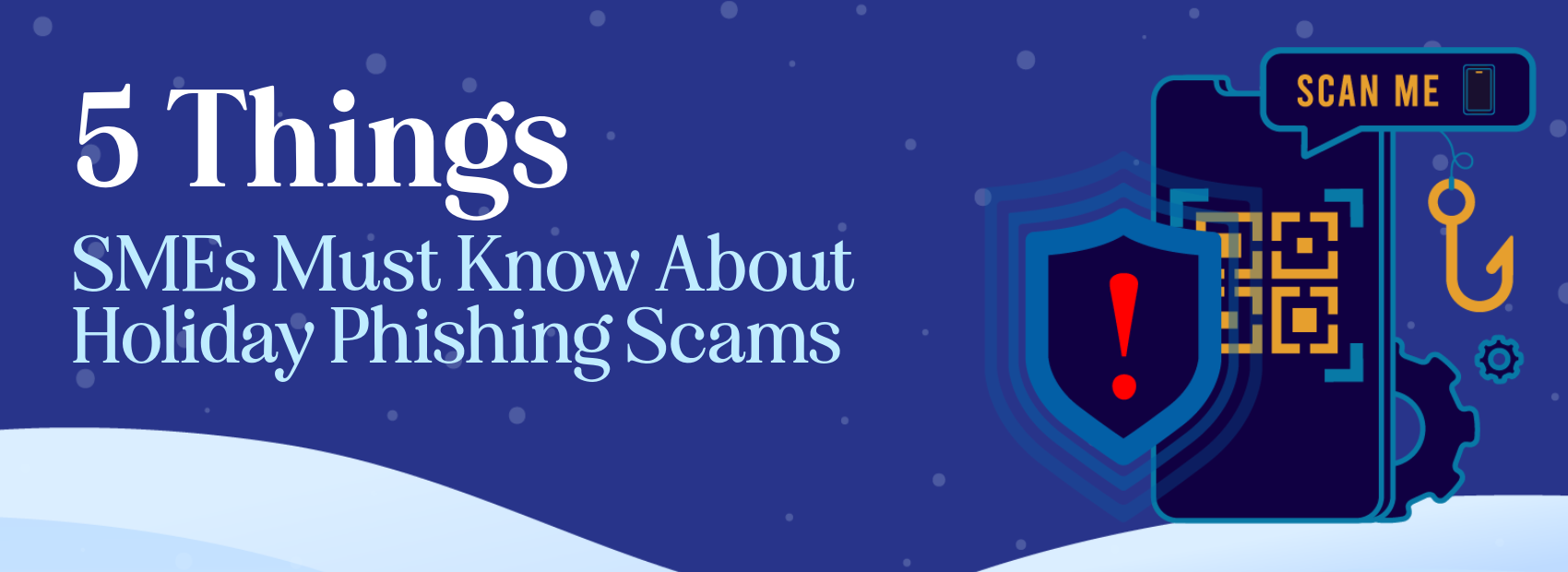
The holiday phishing scams guide is not just a checklist, it is a survival plan for UK SMEs. Every festive season, cybercriminals increase their efforts to trick employees with fake delivery updates, discount offers, or holiday greetings. These scams slip through crowded inboxes when staff are busy, distracted, or rushing to finish year-end work. Knowing how to spot and stop them is critical.
1. Understand Why Holidays Attract Cybercriminals
The first step in a holiday phishing scams guide is understanding the timing. Cybercriminals know that employees are less vigilant in December. More online shopping means more delivery emails. More promotions mean inboxes stuffed with deals. This perfect storm creates opportunities for attackers to hide malicious links in what looks like genuine communication.
The UK National Cyber Security Centre (NCSC) confirms phishing remains the most common cybercrime, with activity peaking around holidays. SMEs cannot assume staff will naturally notice every threat.
2. Learn the Common Red Flags
A solid holiday phishing scams guide teaches employees what to look for. Red flags include:
- Slight misspellings in sender addresses or URLs
- Links that do not match the visible text
- Attachments that arrive unexpectedly
- Language pushing immediate action, like “urgent delivery notice”
- Offers or prizes that seem too good to be true
By training staff to slow down and check for these signals, SMEs can prevent most phishing attacks before damage is done.
3. Train Staff Quickly and Effectively
No holiday phishing scams guide works without staff awareness. Training does not need to be complicated. A one-hour session before the festive season can cover real phishing examples, reporting processes, and best practices for safe email handling.
Managed service providers (MSPs) can help SMEs run simulated phishing campaigns. These realistic tests allow staff to practice spotting scams in a safe setting, making them better prepared when real threats arrive.
4. Put Your MSP’s Tools to Work
The fourth thing in the holiday phishing scams guide is using your MSP’s expertise. MSPs provide layered security with advanced filters, domain blocking, and monitoring. Even if an employee clicks a suspicious link, proactive monitoring can reduce damage.
The Information Commissioner’s Office (ICO) warns that data breaches from phishing can carry heavy fines under UK data protection laws. SMEs that work with MSPs not only reduce risks but also strengthen compliance.
5. Recognise That Ignoring Holiday Phishing is Risky
The last point in a holiday phishing scams guide is awareness of the stakes. Cybercriminals do not rest during the festive season. Ignoring phishing risk means accepting the possibility of financial loss, stolen customer data, or reputational damage.
SMEs that follow these five things—understanding why phishing rises, spotting red flags, training staff, using MSP tools, and taking threats seriously—will be far better prepared to face the season with confidence.
Call to Action
Do not wait until after a breach to take phishing seriously. Speak with our team today to set up awareness training and advanced monitoring. Together, we can make sure your business stays safe while your employees enjoy the holidays.